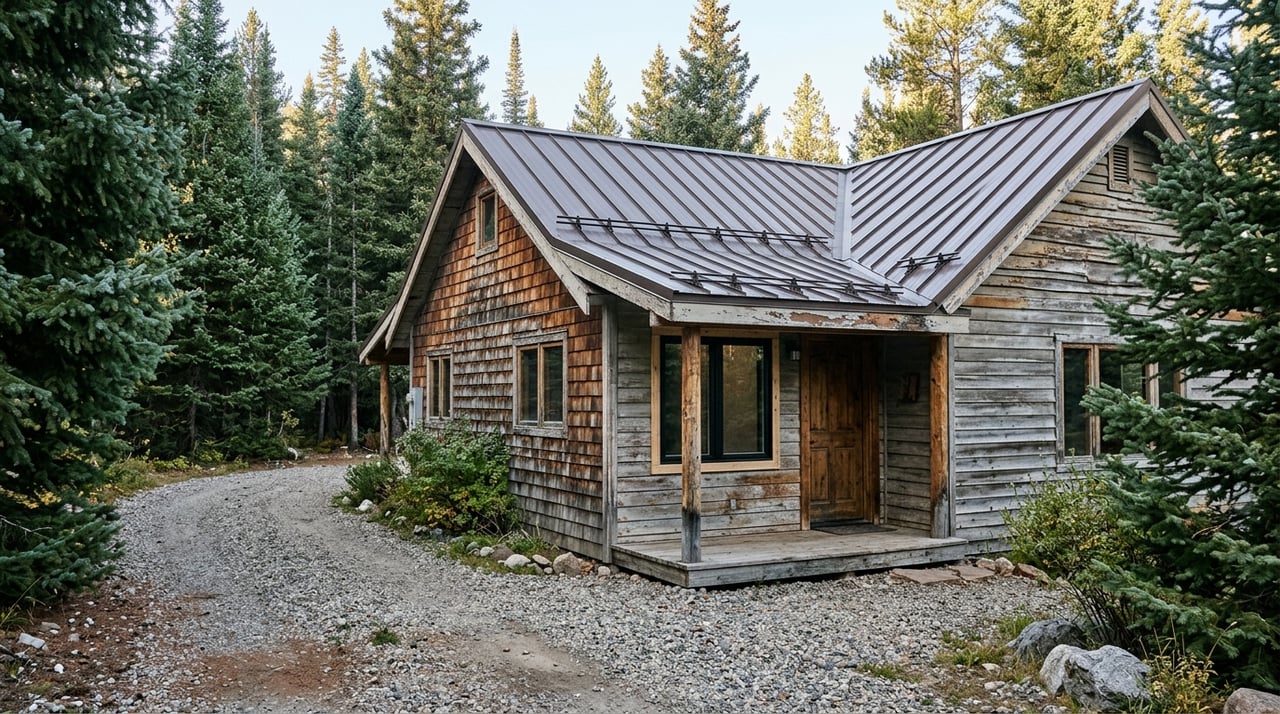
Finding Value In Sierra Tract Fixers And Cabins
July 16, 2026
July 16, 2026
If you have been priced out of the glossy, move-in-ready side of South Lake Tahoe, Sierra Tract may deserve a closer look. This pocket, also labeled Tahoe Sierra on some public sites, can offer older cabins and fixer properties that look more attainable at first glance. The opportunity is real, but so is the need for careful due diligence. If you want to spot value without underestimating the work, this guide will help you think through what matters most. Let’s dive in.
Sierra Tract sits south of Highway 50 between the Upper Truckee River and Trout Creek. City planning documents describe the area as primarily small-lot single-family residential with commercial uses along Highway 50, laid out in a traditional suburban grid with no uniform architectural style.
That mix matters if you are shopping for value. In neighborhoods with varied home styles and ages, older cabins and cosmetic fixers tend to appear more often than in areas with a tighter housing profile. In practical terms, that can create openings for buyers who are willing to improve a property over time.
The broader South Lake Tahoe market also supports a measured value strategy. Redfin reported a median sale price of $695,000 for the three months ending May 2026, with homes averaging 50 days on market. Realtor.com also described South Lake Tahoe as a buyer’s market in May 2026, with homes selling about 3.28% below asking on average.
That does not mean every fixer is a bargain. It does mean you may have room to negotiate when condition is part of the story. The key is knowing whether you are looking at a light cosmetic project or a much deeper rehab.
In Sierra Tract, value often comes from buying a home with solid potential and improving the right things. Because the neighborhood does not have one uniform look, buyers are usually rewarded more for durability and functionality than for over-customized design choices.
That is good news if you like the idea of a classic Tahoe cabin with practical updates. A clean, low-maintenance property with thoughtful improvements can make more sense than a flashy remodel that overshoots the setting.
For many buyers, the sweet spot is a home that needs visible updates but does not come with major surprises. Fresh finishes are one thing. Roof issues, drainage problems, unpermitted work, or exterior fire-safety concerns are another.
Older Tahoe cabins can need much more than paint and flooring. CAL FIRE’s home-hardening guidance highlights roofs, gutters, vents, eaves, siding, windows, doors, decks, fences, and attachments as common vulnerability points.
That means you should pay close attention to the exterior envelope of the home. If the roof is older, the siding is worn, the vents look outdated, or the deck appears tired, you may be looking at a project with a bigger safety and resale impact than the listing photos suggest.
Roofing deserves special attention. California requires roof coverings and assemblies to be Class A-rated, so a combustible roof or one near the end of its life is not just a cosmetic concern. It can affect safety, insurability, and future resale.
In Tahoe, a fixer’s value is closely tied to how manageable it is to harden the property. CAL FIRE points to the first five feet around the home as the most critical ember-resistant zone, and California law requires 100 feet of defensible space.
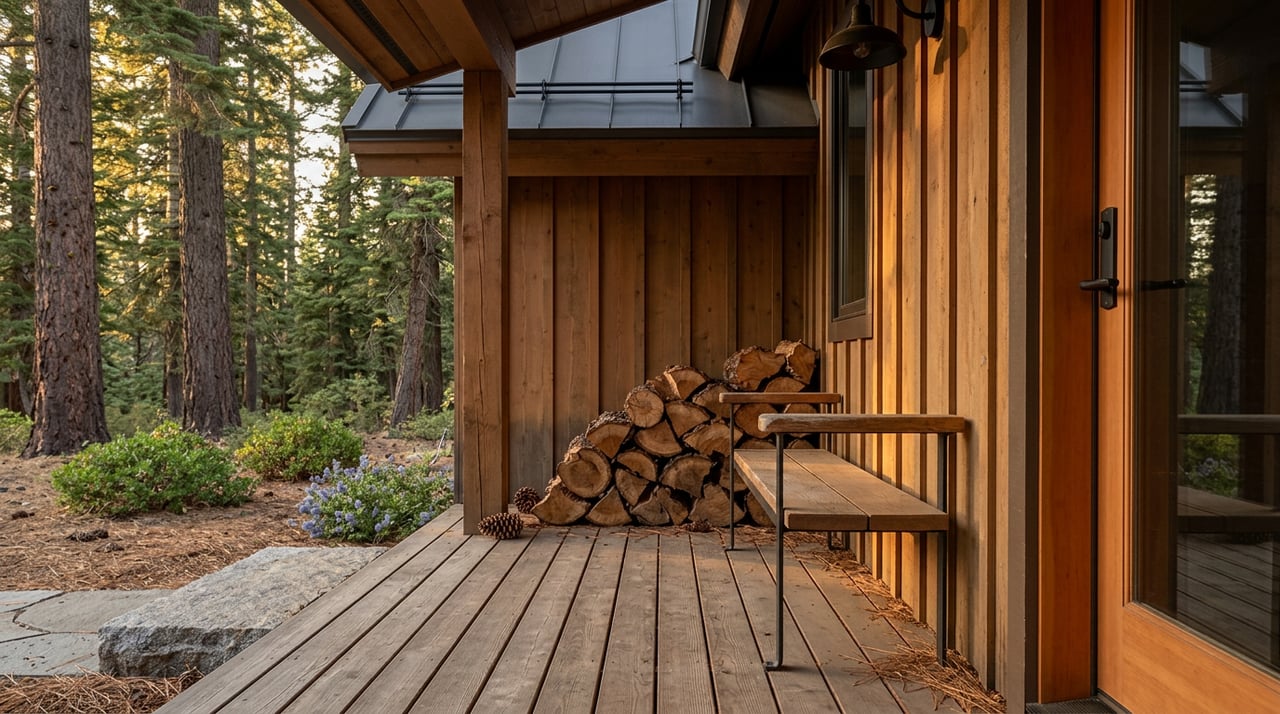
For you as a buyer, that means landscaping and exterior storage deserve a serious look. Wood piles, debris under decks, heavy vegetation too close to the house, and attached features that can carry embers all add to the project scope.
A cabin that seems like a simple cosmetic update can quickly become more involved if you also need to address defensible space, under-deck cleanup, fencing transitions, or vulnerable exterior materials. Those items may improve both safety and long-term appeal, but they still need to be budgeted.
Site work is easy to underestimate in Sierra Tract. City materials show the area has been the focus of erosion-control work aimed at reducing sediment discharge into the Upper Truckee River and Lake Tahoe, and older planning documents flag flooding and sensitive-area encroachment issues.
That is why drainage, grading, gutters, and snowmelt runoff should be part of your first-pass review. A home can look charming in summer and still have site issues that show up during winter weather or spring thaw.
When you tour a property, look at how water likely moves across the lot. Pay attention to downspouts, drainage paths, low areas near the foundation, and signs that decks or stairs may have been exposed to ongoing moisture. In an older cabin neighborhood, those details can separate a smart buy from a costly surprise.
One of the biggest mistakes fixer buyers make is assuming prior work was properly permitted. South Lake Tahoe processes building and planning permit applications, inspections, and payments through eTRAKiT, and the city says permit history can be searched by address.
There is an important catch, though. The city also notes that older permits issued before the 1980s may not be online. So if you are buying an older cabin, an incomplete online record does not always tell the full story.
That is why permit history should be treated as one piece of the puzzle. If a cabin has additions, deck changes, exterior modifications, or systems updates, you will want to understand what was done, when it was done, and whether documentation exists.
In the Tahoe Basin, even modest renovation plans can involve more process than buyers expect. El Dorado County guidance for South Lake Tahoe says major renovations, electrical work, plumbing, and structural changes typically require permits.
TRPA can add another layer. Its permitting rules state that a single-family dwelling project requires a TRPA permit when there is a change in coverage or use, and grading that creates or relocates land coverage also requires a TRPA permit.
In practical terms, a project that starts out sounding simple can expand fast. If your plans involve site work, grading, deck changes, additions, or exterior changes that affect coverage, you may need both local building review and TRPA review.
That does not mean every Sierra Tract cabin is complicated. It does mean you should confirm the approval path early rather than assume your renovation is purely cosmetic.
When you buy a fixer, it helps to think about future resale from day one. Research cited in the report points to kitchen upgrades, new roofing, and bathroom renovations as projects with strong buyer appeal, while painting and new roofing are often recommended before listing.
In Sierra Tract, the strongest resale story is usually a blend of visible upgrades and risk-reduction work. Buyers tend to respond well when a cabin feels both updated and better prepared for Tahoe conditions.
The most practical improvements often include:
Because the neighborhood has mixed housing styles, a durable and well-executed cabin presentation often carries more weight than highly customized additions. In many cases, simple, functional, low-maintenance choices are what help a property stand out.
If you are comparing cabins or fixers in Tahoe Sierra, a few smart questions can save you time and money. These questions help you identify whether the project still fits your goals after the inspection period starts.
Ask questions like these:
These are the kinds of details that can reshape a renovation budget quickly. They also help you separate a true value play from a home that only looks affordable on the surface.
Once you identify a property with potential, your next step is getting realistic about the work. The research report recommends getting referrals, interviewing at least three contractors, confirming they are licensed and insured, and asking whether they will secure needed permits and approvals.
That approach fits Sierra Tract well. In a Tahoe cabin, small discoveries can lead to larger project needs, especially when exterior safety, drainage, or permit questions are involved.
A good contractor conversation should help you understand whether your plan is mostly finish work or whether it touches systems, structure, or site conditions. That early clarity can help you make a cleaner buying decision.
Finding value in Sierra Tract is not just about getting a lower price. It is about understanding which homes offer real upside and which ones may come with hidden complexity.
That is where local market knowledge makes a difference. A hyper-local view helps you weigh condition, neighborhood context, and improvement potential together, instead of focusing on list price alone.
If you are considering a cabin or fixer in Tahoe Sierra, the best opportunities usually come from balancing lifestyle appeal with practical property analysis. When you do that well, you can find a home that works for the way you want to live and supports long-term value.
If you want help evaluating Sierra Tract opportunities with a local, investment-minded perspective, connect with Ryan Smith to start your search.
Realize your real estate dreams with trusted local experts. As your local real estate specialists, we are here to tailor solutions to your individual needs. Connecting with us is more than just transactional—we care deeply about the long-term life cycle of your investment and believe in building a symbiotic relationship. Reach out today, we are ready to assist!